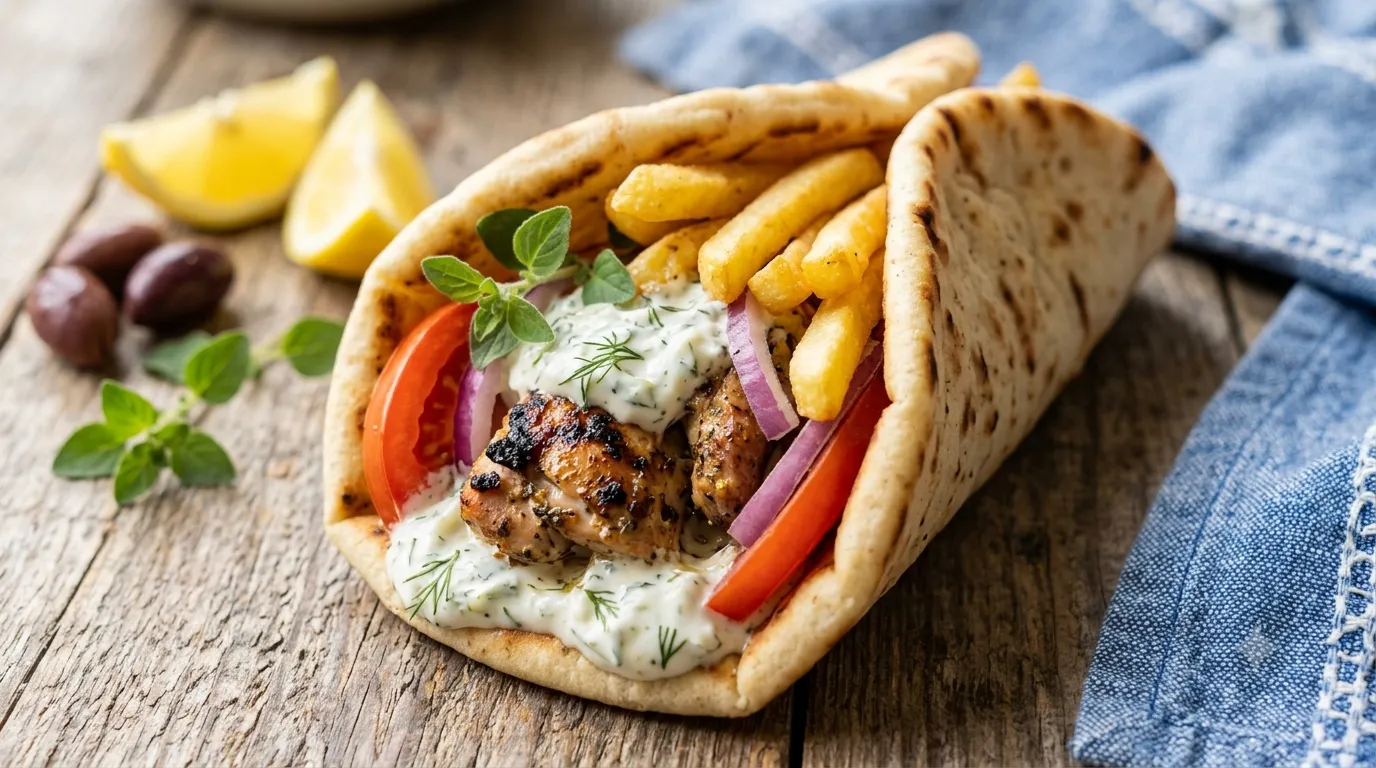
Authentic Greek Chicken Gyros: The Juicy Mediterranean Street Food You Can Easily Make at Home
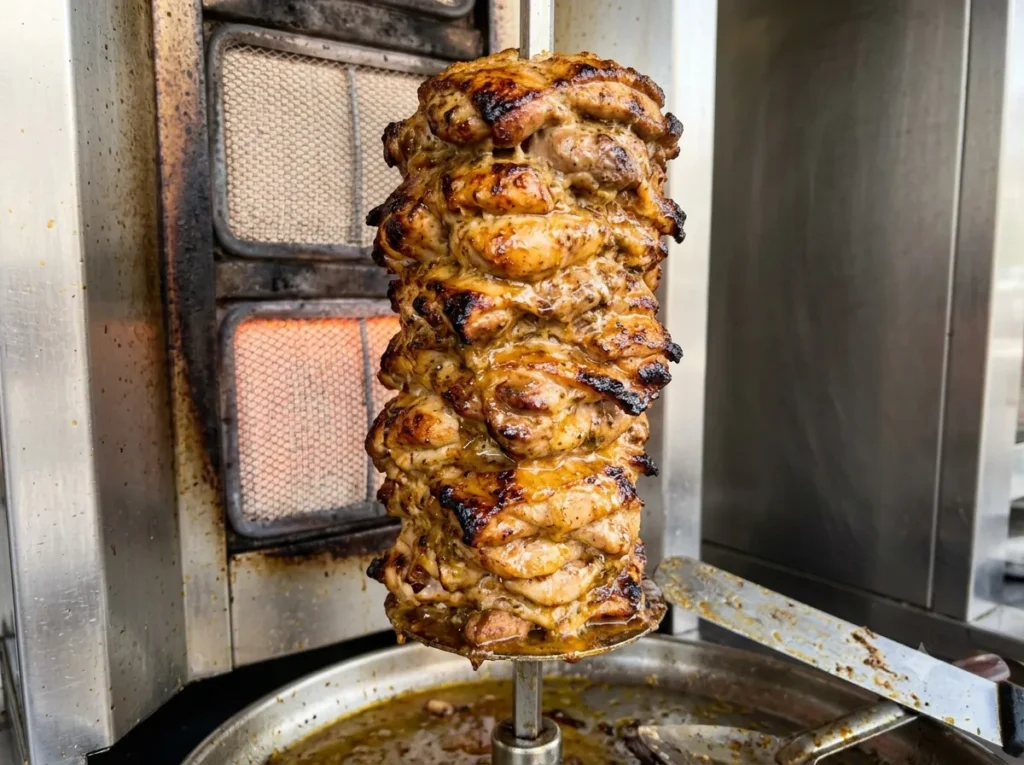
Walk down any street in Athens around lunchtime and you’ll smell it before you see it: chicken turning slowly on a vertical spit, fat dripping onto the flame below, oregano and lemon hanging in the air. That’s the smell that built Greek Chicken Gyros into one of the most beloved street foods in the country. You don’t need a spinning rotisserie in your kitchen to get close to that flavor, though. With the right marinade, the right heat, and a little patience, homemade Greek Chicken Gyros can come remarkably close to what you’d get from a gyro shop in Thessaloniki.
This guide walks through everything that makes Greek Chicken Gyros taste the way they do: the yogurt marinade that tenderizes the meat from the inside out, the exact cooking methods that mimic a rotisserie without owning one, homemade tzatziki done right, and the mistakes that keep most home versions from tasting truly authentic. By the end, you’ll know how to build a gyro that’s juicy, lightly charred, and balanced in every bite.
Table of Contents
What Are Greek Chicken Gyros?
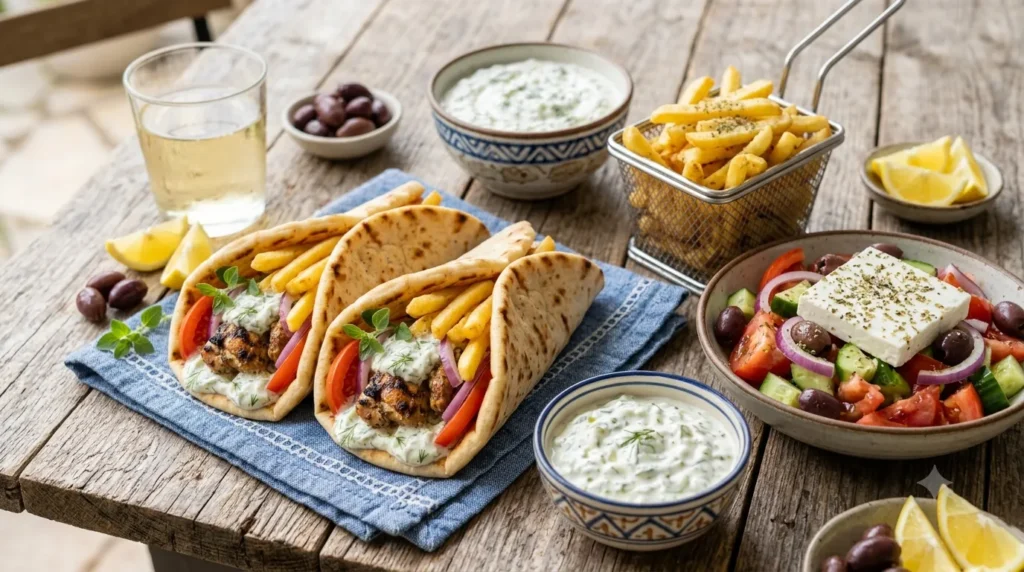
Greek Chicken Gyros are thin, marinated slices of chicken, traditionally cooked on a vertical rotisserie, then wrapped in warm pita with tzatziki, tomato, onion, and often a handful of crispy fries. The word “gyros” comes from the Greek γύρος, meaning “turn” or “rotation,” a direct reference to the rotisserie the meat cooks on—thin layers of marinated meat stacked on a vertical spit and slowly turned in front of a heat source, shaving off crisp, caramelized edges as it cooks.
Commercial gyro shops rely on that vertical rotisserie because it does two things a flat grill can’t: it lets fat and juices baste the meat continuously as it turns, and it builds up layers of crisped, caramelized exterior while keeping the interior moist. Chicken gyros in particular have become one of Greece’s most popular street foods over the last few decades, offering a lighter, slightly less rich alternative to the traditional pork version while still delivering plenty of char and flavor.
You don’t need a rotisserie to get close to that result at home. Marinating chicken thighs, grilling or pan-searing them at high heat, then slicing thinly and stacking the pieces briefly under high heat recreates much of the same textural contrast—crisp, caramelized edges around a juicy interior—that a rotisserie produces.
It’s worth being clear about how gyros differ from two dishes it’s often confused with:
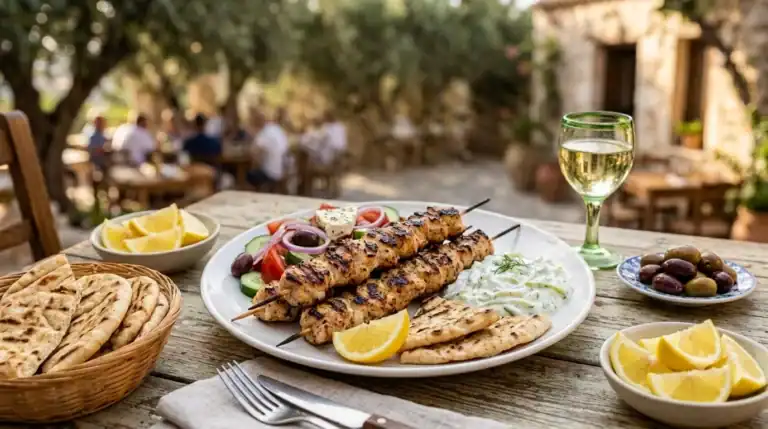
- Gyros vs. souvlaki: Souvlaki is made from cubes of marinated meat grilled on a skewer, while gyros is made from thin slices (or a compressed loaf) of meat cooked on a rotisserie and then shaved off.
- Gyros vs. shawarma: Shawarma, common across the Levant and increasingly in Greece as well, uses a similar vertical rotisserie method but typically relies on a different spice blend—often heavier on cumin, cardamom, and sometimes cinnamon—and is traditionally served with different sauces, such as tahini or garlic sauce, rather than tzatziki.
All three dishes share a family resemblance rooted in Eastern Mediterranean rotisserie cooking traditions, but each has its own seasoning identity and serving style.
The History of Greek Gyros
Gyro-style cooking—thin layers of seasoned meat stacked and roasted on a vertical spit—developed across the Eastern Mediterranean and Middle East over the course of the twentieth century, closely related to Turkish döner kebab and Middle Eastern shawarma. Greece adopted and adapted the method after significant population movement and culinary exchange in the region during the early to mid-1900s, developing its own version with Greek seasoning, Greek pita, and tzatziki rather than tahini or garlic sauce.
Pork gyros became the dominant version in mainland Greece first, largely because pork was widely available and worked well with the fat content the rotisserie method benefits from. Chicken gyros rose in popularity later, offering a lighter option that appealed to customers looking for something less heavy than pork, while still delivering the same smoky, charred street-food experience. Today, most Greek gyro shops offer both pork and chicken versions side by side, with chicken often marketed as the leaner choice.
Gyros became one of Greece’s defining fast foods because they solved a practical problem: they’re quick to assemble, inexpensive, portable, and deeply satisfying, combining protein, bread, vegetables, and sauce into a single handheld meal. That practicality, combined with genuinely good flavor, is exactly why gyros spread from Greek street corners to international menus, appearing today in cities across the world, often adapted further to local tastes while still carrying the name and the basic format back to its Greek and Eastern Mediterranean roots.
Why Greek Chicken Gyros Are So Popular
Greek Chicken Gyros hit a combination of flavors and textures that’s hard to beat, and every element plays a distinct role:
- Juicy marinated chicken. A yogurt-based marinade keeps the meat tender through high-heat cooking.
- Smoky grilled flavor. Direct heat and light charring add depth that a plain sauté can’t replicate.
- Tangy yogurt marinade. Greek yogurt’s acidity and creaminess work together to season the chicken from the inside out.
- Fresh vegetables. Tomato, onion, and sometimes cucumber add crunch and acidity that cut through the richness of the meat and sauce.
- Creamy tzatziki. Cool, garlicky, and tangy, it balances the char and warmth of the chicken.
- Soft warm pita. A good Greek pita is soft, slightly chewy, and sturdy enough to hold everything without tearing.
- Perfect balance of freshness and richness. No single element overwhelms the others—that balance is the entire point of the dish.
The Science Behind Perfect Chicken Gyros
A few principles of food science explain exactly why the classic gyro marinade and cooking method work as well as they do.
Why Greek yogurt tenderizes chicken. Greek yogurt is mildly acidic and contains proteolytic activity that gently breaks down some of the proteins on the surface of the meat, softening its texture. Because yogurt is thick and clings to the chicken rather than running off, it also coats the meat evenly and helps distribute the marinade’s other flavors, including garlic and oregano, deep into the surface.
The role of lemon juice and acidity. Lemon juice adds additional acidity, which further tenderizes the surface of the chicken while contributing bright, citrus flavor. Too much lemon juice on its own, without yogurt to buffer it, can start to “cook” the surface of the meat (similar to ceviche) and turn it mushy—yogurt’s thickness and buffering effect help prevent that.
Olive oil and moisture retention. Olive oil coats the meat, slowing moisture loss during cooking and helping the marinade’s fat-soluble flavors, like garlic and paprika, penetrate more effectively.
Why oregano, garlic, and spices penetrate during marination. Because the yogurt-based marinade clings to the meat’s surface for an extended period, the herbs and spices suspended in it have time to diffuse into the outer layers of the chicken, rather than simply sitting on top as they would in a quick sear.
The Maillard reaction. As with any grilled or seared meat, the browned, savory crust on gyro chicken comes from the Maillard reaction—the chemical reaction between amino acids and sugars that occurs at high heat, generally above 300°F (150°C) at the meat’s surface. This is what produces the caramelized, slightly crisp edges that define good gyro meat.
Why high heat followed by resting keeps chicken juicy. Cooking chicken thighs at high heat sears the surface quickly, developing flavor before the interior overcooks. Resting the meat for a few minutes after cooking, before slicing, allows juices pushed toward the center during cooking to redistribute throughout the meat rather than spilling out the moment you cut into it.
Choosing the Best Chicken
| Cut | Flavor | Fat Content | Juiciness | Cooking Time | Best For |
|---|---|---|---|---|---|
| Boneless skinless chicken thighs | Rich, more forgiving | Higher, naturally well-marbled | Very juicy | Moderate | Best all-around choice, most forgiving for beginners |
| Chicken breasts | Milder, leaner | Low | Can dry out quickly if overcooked | Shorter | Those wanting a leaner option, with careful attention to cook time |
| Chicken tenderloins | Mild, tender | Low | Moderate, cooks fast | Very short | Quick weeknight versions |
| Whole chicken (deboned) | Balanced, mix of light and dark meat | Varies by piece | Good if thighs are included | Longer prep, similar cook time | Cooks wanting to prep a larger batch from one bird |
Boneless skinless chicken thighs are the best choice for both flavor and forgiveness. Their higher fat content keeps them juicy even with a slightly longer cook time or a moment of inattention on the grill, and their texture holds up well to slicing thin after cooking. Chicken breast works, but only with careful attention to cook time and temperature, since its low fat content leaves little margin for error.
Ingredients Explained
- Chicken thighs: The base of the dish; their fat content is central to keeping the meat juicy through high-heat cooking.
- Greek yogurt: The backbone of the marinade, providing tenderizing acidity and a creamy coating that helps distribute flavor.
- Olive oil: Adds richness, helps flavors penetrate, and slows moisture loss during cooking.
- Lemon juice: Contributes brightness and additional tenderizing acidity, balanced by the yogurt.
- Lemon zest: Adds concentrated citrus aroma without excess liquid or acidity.
- Garlic: Essential for the marinade’s savory backbone; grated finely for even distribution.
- Dried oregano: The defining herb of Greek cooking; unlike fresh herbs used in kofta, dried oregano actually works well here because its flavor holds up through longer marination and high heat.
- Ground cumin: Adds warmth and depth beneath the brighter lemon and oregano notes.
- Sweet paprika: Contributes color and a mild, rounded pepper flavor.
- Ground coriander: Adds a light citrusy note that complements the lemon.
- Black pepper: Basic seasoning that rounds out the marinade.
- Salt: Necessary for flavor and for supporting the marinade’s tenderizing effect.
- Fresh parsley: Used as a finishing garnish, adding a clean, fresh contrast to the rich chicken.
- Red onion: Adds sharp crunch; often quickly pickled or simply sliced thin.
- Tomatoes: Provide acidity and juiciness that balance the richness of the meat and sauce.
- Cucumber: Used in both the gyro filling and in tzatziki, adding cooling crunch.
- Tzatziki: The essential cooling, tangy sauce that ties the whole gyro together.
- Greek pita bread: Softer and more pliable than Middle Eastern pita, designed to wrap rather than pocket.
- French fries (optional, traditional in many Greek gyros): A genuinely traditional addition in many Greek gyro shops, adding texture contrast and heartiness.
The Secret to Authentic Greek Chicken Gyros
The difference between an average homemade gyro and one that tastes like it came from a real Greek gyro shop usually comes down to a handful of details. The traditional yogurt marinade needs real time to work—a minimum of 4 hours, and ideally overnight, for the acidity and salt to fully penetrate the meat. Rushing this step with a 20-minute marinade leaves you with chicken that’s seasoned only on the surface.
High-heat cooking is non-negotiable if you want the char and caramelization that defines gyro meat; low, gentle heat produces chicken that’s cooked through but pale and lacking in the smoky depth that makes gyros distinctive. Slicing after resting—never before—keeps the juices inside the meat instead of on the cutting board. A light char on the edges, achieved by giving the chicken direct contact with a hot surface without constant flipping, mimics the caramelized edges a rotisserie naturally produces.
Warm pita matters more than most home cooks realize; cold, straight-from-the-bag pita cracks and tastes flat compared to pita that’s been briefly warmed on the grill or in a dry skillet until soft and lightly blistered. Fresh tzatziki, made with properly drained cucumber and good yogurt, should taste bright and garlicky, not watery. And the entire gyro succeeds or fails on balance—every bite should have chicken, sauce, vegetable, and bread together, not one element overwhelming the rest.
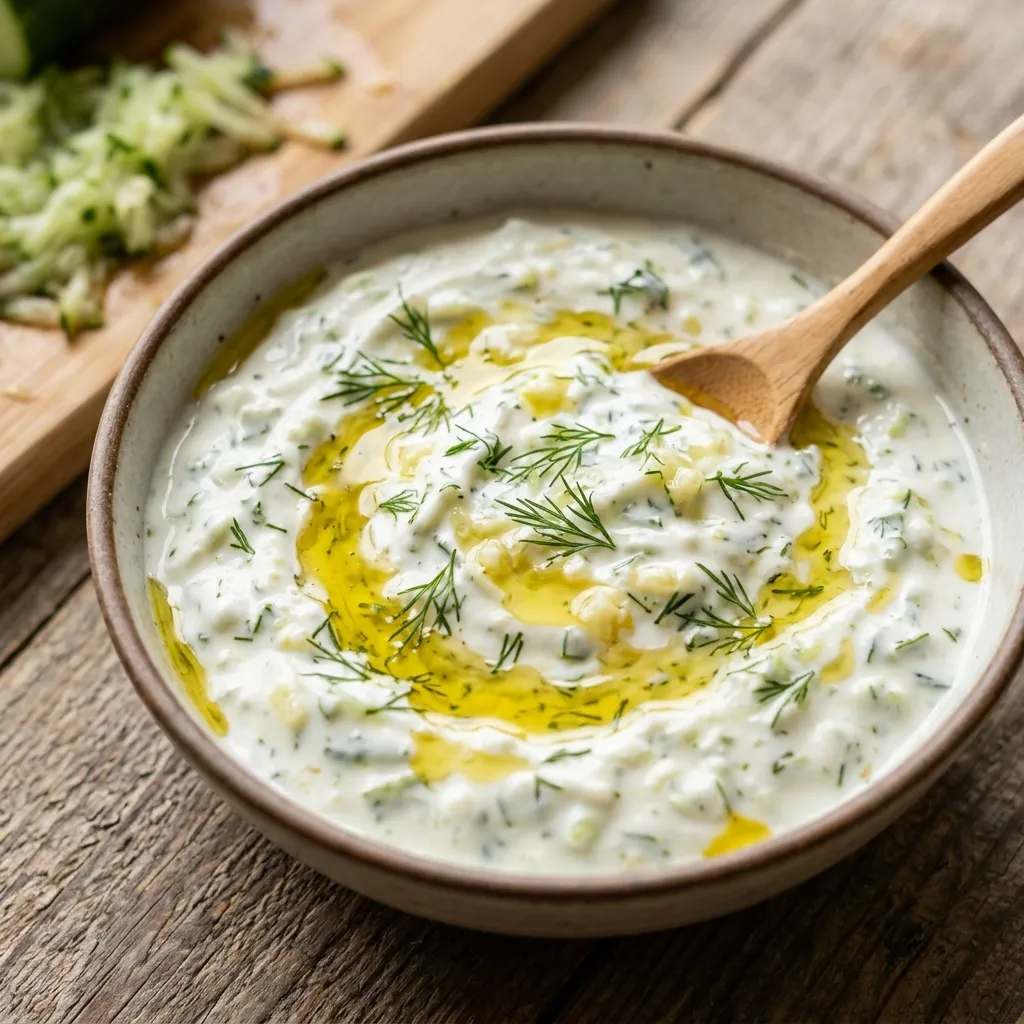
Homemade Tzatziki Sauce
Good tzatziki starts with choosing full-fat Greek yogurt, strained if it’s not already thick—regular yogurt is too thin and will make the sauce watery. Removing moisture from the cucumber is the single most important step: grate the cucumber, then squeeze it firmly in a clean towel or cheesecloth to remove as much liquid as possible before mixing it into the yogurt. Skipping this step is the most common reason homemade tzatziki turns out runny.
Fresh garlic, grated finely, gives tzatziki its characteristic bite; the amount can be adjusted to taste, but it should be assertive rather than timid. Traditional tzatziki uses dill in some regions and mint in others—both are authentic, and the choice largely comes down to family and regional preference; dill tends to be more common overall, while mint pairs especially well when tzatziki is served alongside lamb-based dishes.
A drizzle of good olive oil adds richness and a glossy finish, while a small amount of lemon juice or white wine vinegar brightens the sauce without overpowering the garlic and cucumber. Tzatziki benefits from resting in the refrigerator for at least 30 minutes before serving, which allows the garlic and dill or mint to mellow slightly and the flavors to come together.
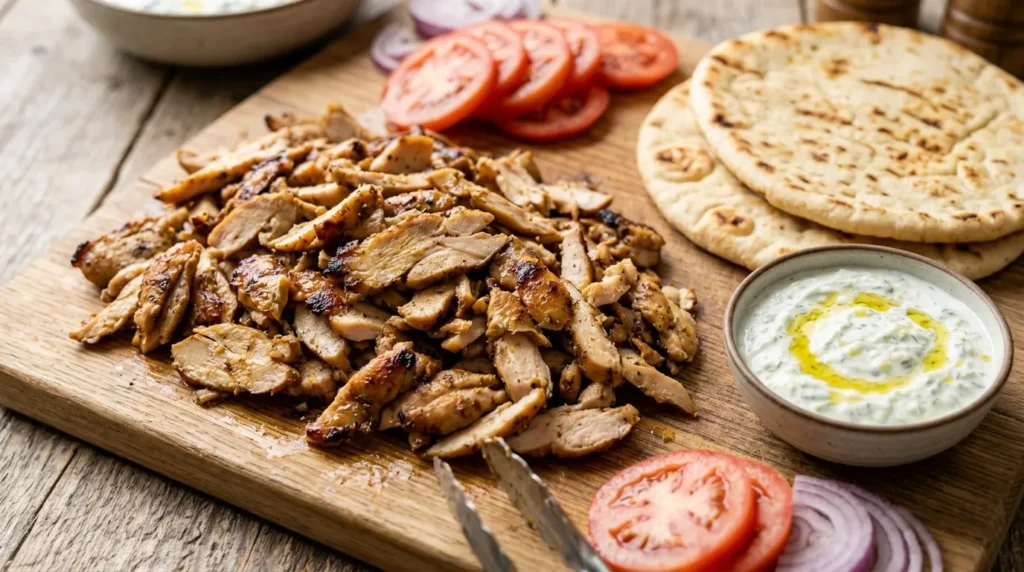
Step-by-Step Technique
1. Prepare the marinade. Whisk together Greek yogurt, olive oil, lemon juice, lemon zest, grated garlic, oregano, cumin, paprika, coriander, salt, and pepper in a large bowl.
2. Marinate the chicken. Add the chicken thighs, coating them thoroughly in the marinade. Cover and refrigerate for at least 4 hours, ideally overnight.
3. Prepare the tzatziki. Grate and drain the cucumber, then combine with strained Greek yogurt, garlic, olive oil, lemon juice, and dill or mint. Refrigerate until ready to serve.
4. Cook on the grill. Preheat the grill to high, direct heat. Remove excess marinade from the chicken (a light coating is fine, but excess yogurt will burn). Grill the thighs for 5–6 minutes per side, until deeply browned with some charred edges and an internal temperature of 165°F (74°C).
5. Cook in a cast-iron skillet. Heat the skillet over medium-high heat with a small amount of oil. Sear the chicken for 5–7 minutes per side, pressing gently for even contact, until browned and cooked through.
6. Oven method. Roast marinated thighs on a wire rack over a sheet pan at 425°F (220°C) for about 20–25 minutes, then finish under the broiler for 2–3 minutes to develop char.
7. Rest. Let the cooked chicken rest for 5 minutes before slicing.
8. Slice. Cut the chicken into thin strips against the grain, mimicking the shaved texture of rotisserie gyro meat.
9. Warm the pita. Warm each pita briefly on the grill or in a dry skillet over medium heat until soft, pliable, and lightly blistered.
10. Assemble the gyros. Spread a layer of tzatziki on the warm pita, add the sliced chicken, then top with tomato, onion, and fries if using.
11. Serve. Wrap tightly and serve immediately, while the chicken is still warm and the pita is soft.
Visual and texture cues to watch for: the chicken should have well-browned, slightly crisped edges with no pink remaining in the center; the pita should feel soft and pliable, not stiff or cracking, before you assemble the wrap.
Equipment Needed
- Outdoor grill (for the most authentic char)
- Cast-iron skillet (a strong indoor alternative)
- Grill pan (another indoor option with visible grill marks)
- Chef’s knife (for thin, even slicing after resting)
- Mixing bowls (for marinade and tzatziki)
- Meat thermometer (to confirm safe doneness without overcooking)
- Microplane (for grating garlic and zesting lemon finely)
- Tongs (for turning chicken without piercing it and losing juices)
Common Mistakes
1. Marinating for too short a time. A quick 20-minute marinade barely seasons the surface. Give it at least 4 hours, ideally overnight.
2. Using chicken breast without adjusting technique. Breast meat’s low fat content makes it easy to overcook; watch it closely and pull it right at temperature.
3. Skipping the yogurt and relying only on lemon juice. Straight lemon juice without yogurt’s buffering effect can turn the meat’s surface mushy.
4. Not draining excess marinade before cooking. Too much clinging yogurt can burn and turn bitter on high heat; let excess drip off first.
5. Cooking over low heat. Low heat produces pale, steamed-tasting chicken without the char that defines gyro meat.
6. Flipping too often. Constant flipping prevents a proper crust from forming; let each side sear undisturbed.
7. Slicing immediately after cooking. Cutting into hot chicken releases its juices onto the board instead of keeping them in the meat.
8. Slicing with the grain instead of against it. Slicing with the grain produces tougher, stringier pieces.
9. Using cold, unwarmed pita. Cold pita cracks and tastes flat; always warm it briefly before assembling.
10. Skipping the cucumber-draining step in tzatziki. This is the most common reason homemade tzatziki turns out watery.
11. Using nonfat yogurt for tzatziki or the marinade. Nonfat yogurt is thinner and less flavorful; full-fat Greek yogurt gives better texture and richness.
12. Overloading the pita. Too much filling makes the gyro impossible to wrap and eat cleanly; use moderate, balanced portions.
13. Not patting the chicken dry before searing in a skillet. Excess surface moisture prevents proper browning.
14. Overcrowding the grill or pan. Crowding lowers the cooking surface’s temperature and prevents good searing.
15. Overcooking past the safe temperature. Cooking well beyond 165°F (74°C) dries the chicken out unnecessarily.
Common Mistake: Skipping the cucumber-draining step when making tzatziki. It seems like an unnecessary extra step, but ungrated, undrained cucumber releases a surprising amount of water as it sits, turning a creamy sauce into a thin, watery one within an hour.
Pro Chef Tips
- Marinate chicken thighs for at least 4 hours, ideally overnight, for the best flavor penetration.
- Use full-fat Greek yogurt in both the marinade and the tzatziki for better texture and richness.
- Pat chicken dry before pan-searing to encourage better browning.
- Let excess marinade drip off before the chicken hits high heat.
- Don’t flip the chicken constantly—let each side develop real color.
- Always confirm doneness with a meat thermometer rather than guessing.
- Rest the chicken for 5 minutes before slicing.
- Slice against the grain for tender, easy-to-eat pieces.
- Warm pita briefly on the grill for extra flavor and flexibility.
- Grate cucumber and squeeze it dry before adding it to tzatziki.
- Let tzatziki rest at least 30 minutes before serving for better flavor.
- Use fresh garlic in tzatziki, not garlic powder.
- Add a drizzle of good olive oil to tzatziki just before serving.
- Keep vegetable toppings simple and fresh rather than overloading the wrap.
- Slice onions thin so they don’t overpower each bite.
- Salt tomatoes lightly and let them sit a few minutes to release excess water before adding them to the gyro.
- Use two-zone heat on the grill to manage flare-ups from the marinade’s oil content.
- If using an oven, finish under the broiler for a few minutes to build char.
- Keep portions of chicken uniform in thickness for even cooking.
- Serve gyros immediately after assembly, while the pita is still warm and pliable.
- Double the tzatziki batch—it keeps well and is useful for more than just gyros.
Delicious Variations
Traditional pork gyros: The classic version in most Greek gyro shops, richer and slightly fattier than chicken.
Turkey gyros: A lean, mild alternative that benefits from the same yogurt marinade to stay juicy.
Lamb gyros: A richer, more traditional flavor profile, especially suited to a mint-based tzatziki.
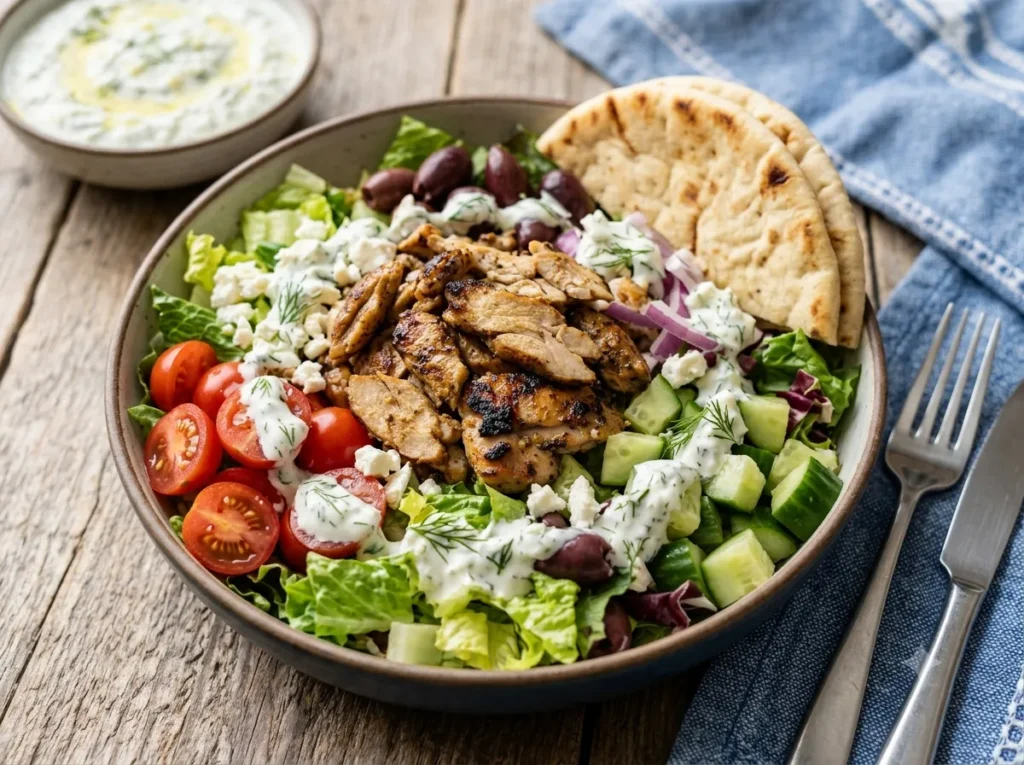
Low-carb gyro bowl: Serve the sliced chicken and toppings over greens or cauliflower rice instead of pita.
Gyro salad: Toss sliced chicken, tomato, cucumber, red onion, and feta with a lemon-oregano vinaigrette.
Spicy chicken gyros: Add a pinch of crushed red pepper or a small amount of Aleppo pepper to the marinade.
Air fryer chicken gyros: Cook marinated thighs at 400°F (204°C) for 16–18 minutes, flipping halfway, until well browned and cooked through.
Meal-prep version: Cook a double batch of marinated chicken, slice, and portion with rice, vegetables, and tzatziki for the week.
Storage & Reheating
Refrigeration: Store cooked, sliced chicken in an airtight container for up to 3–4 days. Tzatziki keeps well for up to 3–4 days refrigerated.
Freezing marinated chicken: Raw chicken can be frozen directly in its marinade for up to 3 months; thaw in the refrigerator before cooking.
Freezing cooked chicken: Cooked, sliced gyro chicken can be frozen for up to 2 months, though texture is best within the first month.
Best reheating methods: Reheat gently in a covered skillet over medium-low heat with a splash of water or broth, or in a 300°F (150°C) oven wrapped in foil, to avoid drying the meat out.
Maintaining juicy texture: Avoid microwaving on high power for long stretches; short intervals at lower power, or gentle stovetop reheating, preserve moisture far better.
Food safety: Always thaw frozen chicken in the refrigerator, never at room temperature, and reheat cooked chicken to an internal temperature of 165°F (74°C) before serving. Tzatziki should not be left at room temperature for more than 2 hours.
What to Serve with Greek Chicken Gyros
Classic pairings:
- Greek fries
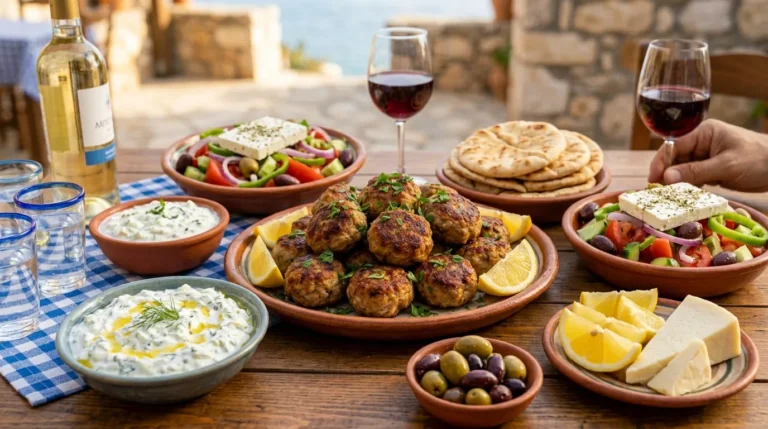
- Greek village salad (Horiatiki)
- Tzatziki
- Hummus
- Grilled vegetables
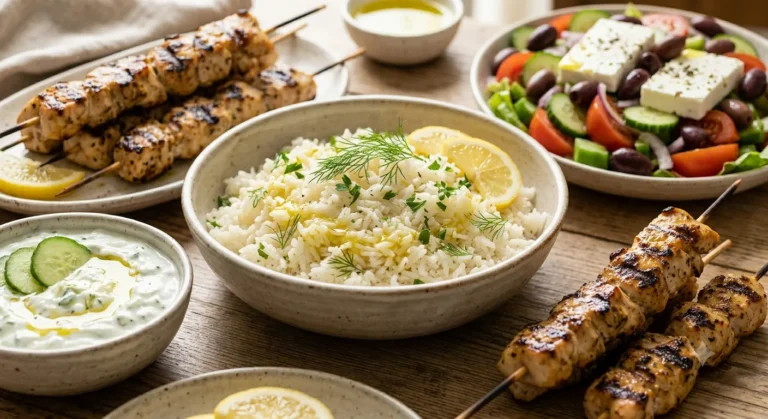
- Lemon rice
- Roasted potatoes
- Dolmades
- Feta cheese
Drink pairings:
- Assyrtiko (a crisp, mineral white that balances the richness of the chicken and tzatziki)
- Sauvignon Blanc (a widely available, food-friendly alternative)
- Greek lager (a light, crisp match for street-food-style meals)
- Sparkling lemonade (a refreshing non-alcoholic option)
- Iced tea (mountain tea or classic black iced tea both work well)

Frequently Asked Questions
Can I use chicken breast instead of thighs for Greek Chicken Gyros? Yes, though breast meat is leaner and cooks faster, so it needs closer attention to avoid drying out. Pull it from the heat right at 165°F (74°C).
Can I cook Greek Chicken Gyros in the oven? Yes. Roast marinated thighs at 425°F (220°C) for about 20–25 minutes, then finish under the broiler for 2–3 minutes to build char.
Can I make Greek Chicken Gyros without a grill? Yes. A cast-iron skillet or grill pan on the stovetop works very well and produces good browning and char.
How long should I marinate the chicken? A minimum of 4 hours is needed for real flavor penetration, and overnight marination gives the best result.
Can I freeze the marinated chicken? Yes. Raw chicken can be frozen directly in its marinade for up to 3 months and thawed in the refrigerator before cooking.
Can I make tzatziki ahead of time? Yes, and it’s actually better made ahead—tzatziki benefits from at least 30 minutes of resting time, and it keeps well in the refrigerator for 3–4 days.
What is the difference between gyros and shawarma? Both use a similar vertical rotisserie method, but gyros use Greek seasoning (oregano, lemon, garlic) and are typically served with tzatziki, while shawarma uses different spice blends and is often served with tahini or garlic sauce.
Why isn’t my chicken juicy? This usually comes down to overcooking, using very lean chicken breast without careful attention, or skipping the resting period before slicing.
What’s the difference between gyros and souvlaki? Souvlaki is cubed meat grilled on a skewer, while gyros is thin-sliced or shaved meat traditionally cooked on a vertical rotisserie.
Can I make chicken gyros in an air fryer? Yes. Cook marinated thighs at 400°F (204°C) for 16–18 minutes, flipping halfway through, until well browned and cooked to a safe internal temperature.
Do I need a rotisserie to make authentic-tasting gyros at home? No. A hot grill, cast-iron skillet, or broiler can recreate the caramelized edges and juicy interior that define gyro meat, even without a rotisserie.
What’s the best pita for gyros? Greek-style pita, which is softer and more pliable than Middle Eastern pocket pita, designed for wrapping rather than stuffing.
Can I use regular yogurt instead of Greek yogurt? It’s not recommended. Regular yogurt is thinner and will make a runnier marinade and tzatziki; strain it through cheesecloth first if it’s all you have.
How do I keep the pita from tearing? Warm it gently until soft and pliable, and avoid overfilling the wrap.
Are French fries really traditional in Greek gyros? Yes. Many Greek gyro shops include fries directly inside the wrap, adding texture and heartiness alongside the chicken and vegetables.
Recipe Card
Greek Chicken Gyros
| Detail | Information |
|---|---|
| Prep Time | 20 minutes |
| Marinating Time | 4 hours (minimum), ideally overnight |
| Cook Time | 15 minutes |
| Total Time | Approximately 4 hours 35 minutes (with minimum marinating time) |
| Servings | 4 |
| Cuisine | Greek / Mediterranean |
| Course | Main dish |
| Calories (estimated) | Approximately 480 per serving (1 gyro with tzatziki and fries), based on standard ingredients |
Ingredients
For the chicken and marinade:
- 1 1/2 lbs boneless, skinless chicken thighs
- 1/2 cup Greek yogurt
- 3 tbsp olive oil
- 2 tbsp lemon juice
- Zest of 1 lemon
- 4 garlic cloves, grated
- 1 1/2 tsp dried oregano
- 1 tsp ground cumin
- 1 tsp sweet paprika
- 1/2 tsp ground coriander
- 1 tsp salt
- 1/2 tsp black pepper
For the tzatziki:
- 1 cup Greek yogurt, strained if needed
- 1/2 cucumber, grated and squeezed dry
- 1 garlic clove, grated
- 1 tbsp olive oil
- 1 tsp lemon juice
- 1 tbsp fresh dill or mint, chopped
For assembly:
- 4 Greek-style pitas
- 1 tomato, sliced
- 1/2 red onion, thinly sliced
- Fresh parsley, chopped
- Greek fries (optional)
Instructions
- Whisk together the yogurt, olive oil, lemon juice, lemon zest, garlic, oregano, cumin, paprika, coriander, salt, and pepper in a large bowl.
- Add the chicken thighs, coat thoroughly, cover, and refrigerate for at least 4 hours, ideally overnight.
- Make the tzatziki by combining the strained yogurt, drained grated cucumber, garlic, olive oil, lemon juice, and dill or mint. Refrigerate until ready to serve.
- Remove excess marinade from the chicken and grill or pan-sear over high heat for 5–6 minutes per side, until browned and the internal temperature reaches 165°F (74°C).
- Rest the chicken for 5 minutes, then slice thinly against the grain.
- Warm the pita briefly on the grill or in a dry skillet until soft and pliable.
- Spread tzatziki on each pita, add sliced chicken, tomato, onion, and fries if using, then wrap and serve immediately.
Chef Notes: Overnight marinating gives noticeably better flavor than the 4-hour minimum; plan ahead when possible.
Storage Notes: Refrigerate cooked chicken up to 4 days, or freeze raw marinated chicken up to 3 months. Tzatziki keeps 3–4 days refrigerated.
Nutrition Disclaimer: Nutrition values are estimates based on standard ingredient data and will vary depending on specific products used, portion size, and preparation method.
Conclusion
Greek Chicken Gyros are proof that a handful of simple ingredients, treated with care, can outperform something far more complicated. A proper overnight yogurt marinade, high heat that builds real char, a rest before slicing, and fresh tzatziki are really all it takes to bring the flavor of a Greek street-food stand into your own kitchen. Once you’ve marinated the chicken overnight and pulled it off the grill with those caramelized edges, you’ll see exactly why gyros earned their place as one of Greece’s most iconic foods. Warm the pita, spread the tzatziki, and build a gyro worth coming back for.